

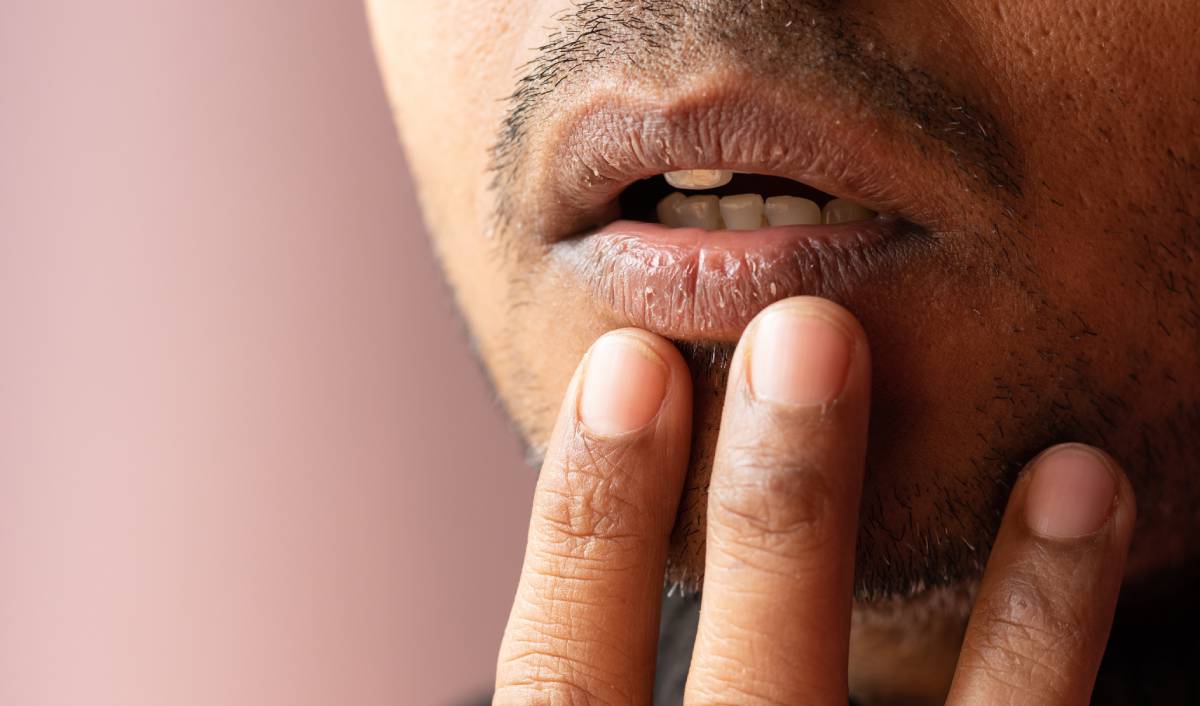
In this article, we discuss a condition called dry mouth and the symptoms that may require a dental checkup to diagnose and plan treatment. Additionally, we discuss the causes and risk factors of dry mouth and the solutions that can improve the condition.
Dry Mouth: Causes, Risks, and Solutions
The condition of dry mouth can also be referred to as xerostomia. It occurs when the salivary glands do not produce enough saliva, leading to mouth dehydration. Sometimes, we can experience dry mouth due to dehydration, hot weather, exercise, or after eating certain foods, which is typically not a cause for concern.
However, we recommend consulting your doctor to determine if you might have xerostomia, if the following symptoms are persistent and long-term, and do not go away with just drinking enough water:
- Dry, sticky, or cotton-like feeling in the mouth
- Thick, stringy, or foamy saliva (or very little saliva at all)
- Difficulty swallowing, chewing, or speaking due to mouth dryness
- Dry or cracked lips
- Sores at the corners of the mouth
- Burning or tingling sensation on the tongue
- Altered or reduced sense of taste
- Persistent bad breath
- Signs of rapid tooth decay or gum disease
- Infections in the mouth, such as thrush
Causes and Risk Factors of Dry Mouth
Causes and risk factors of dry mouth include:
- Some types of medications (the most common cause), for example, antidepressants, antihistamines, blood pressure medications, opioids, muscle relaxants, and chemotherapy drugs, among others.
- Chronic dehydration and fluid imbalance, for instance, due to inadequate fluid intake, excessive sweating, intake of diuretics, and alcohol or caffeine excess.
- Certain autoimmune or systemic diseases, such as Sjögren’s syndrome, rheumatoid arthritis, lupus, and scleroderma.
- Such chronic medical conditions as kidney disease, Thyroid disorders, Anemia, Diabetes, Parkinson’s disease, and Hepatitis C.
- Depression and anxiety, in some cases.
- Radiation therapy to the head and neck when treating cancer
- Nerve damage caused by head or neck trauma, brain injury, stroke, and tumors affecting cranial nerves.
- Hormonal and physiological factors, such as pregnancy, menopause, and chronic stress.
- Lifestyle factors, such as smoking, mouth breathing, alcohol use, and CPAP use for sleep apnea.
- Infections, for example, oral thrush and salivary gland infections
- Vitamin deficiencies, especially Vitamin A, B-complex, Iron, and Zinc.
Dry Mouth Solutions
If you experience dry mouth, it is essential to consult your doctor to determine the cause. When underlying general health issues are present, your doctor can plan treatment accordingly.
To relieve the discomfort of dry mouth, you can use the following solutions:
- Drink plenty of water throughout the day in frequent intervals to prevent your mouth from becoming too dry.
- Stimulate saliva production by chewing a sugar-free gum or sucking on lozenges.
- Make sure the air in your bedroom is sufficiently humidified. You can place a humidifier near your bed and run it overnight.
- Avoid breathing through your mouth, especially at night, as this can further dehydrate your mouth.
- Avoid spicy, salty, and sugary foods, as well as caffeine and alcohol. Instead, eat moist foods with sauces.
- Abstain from mouthwash with alcohol, as it can be very drying. Instead, choose options specifically designed for dry mouth.
- Try products that substitute saliva, such as OTC sprays, gels, or rinses.
- Ask your doctor for prescription dry mouth medications.
Make an Appointment at Smile World Dental
If you experience the symptoms of dry mouth, do not hesitate to consult a top-rated dentist as soon as possible to determine the cause of the issue and plan treatment accordingly. We are looking forward to your visit.
